
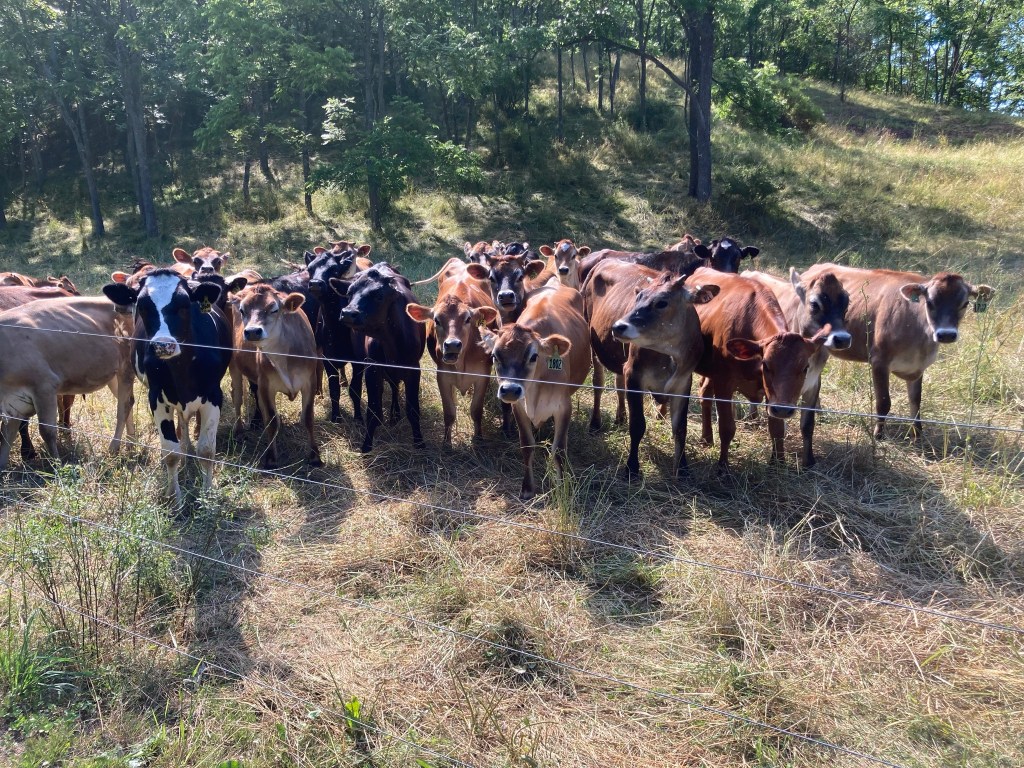
Happy Father’s Day to our Farm Fathers who feed the world!
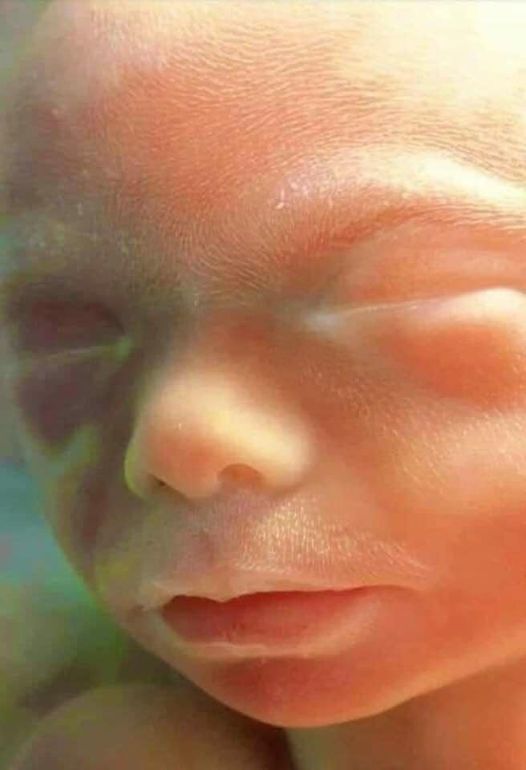
This is the most beautiful picture on social media right now. This is the face of a 20 week old, unborn child. Not a seed, a glob of cells or a fetus…. but a precious tiny human in all it’s perfection. A miracle created by God, made in His image, by His design. God’s Greatest Creation
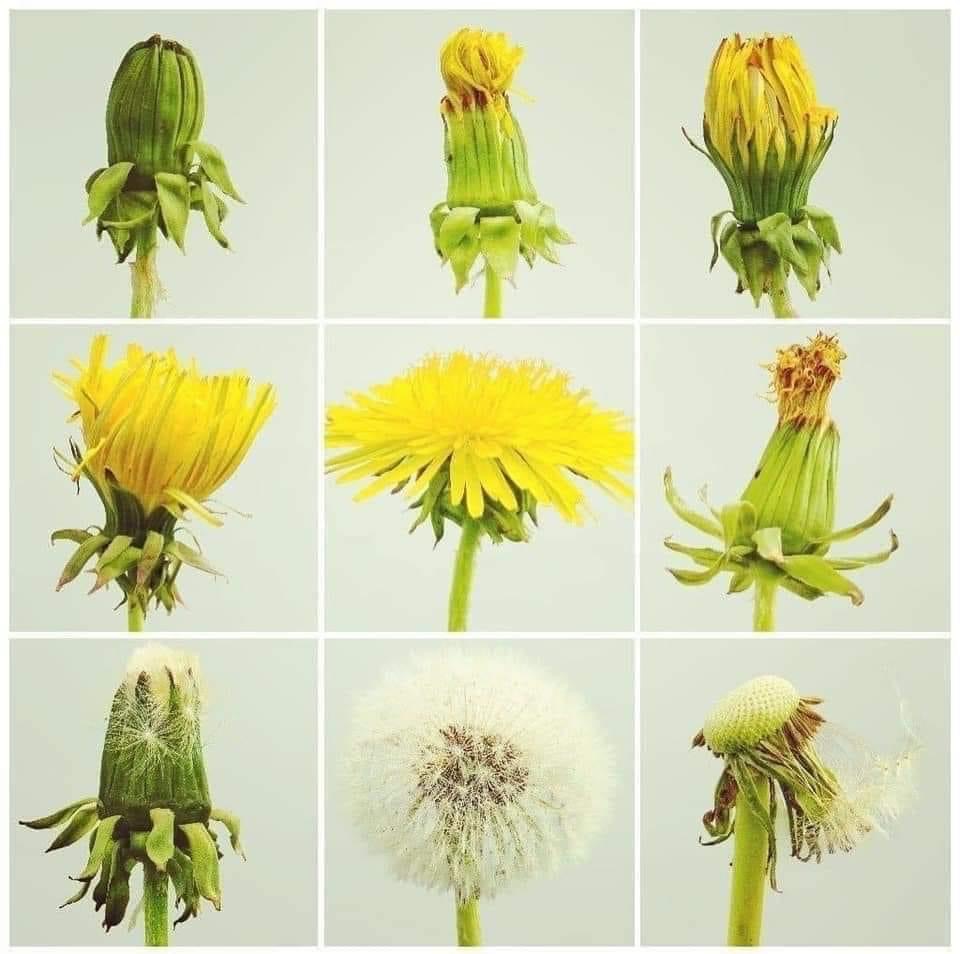
Here are some interesting facts about the dandelion flower:
The dandelion is the only flower that represents the 3 celestial bodies of the sun, moon and stars. ☀️ 🌙 ⭐️. The yellow flower resembles the sun, the puff ball resembles the moon and the dispersing seeds resemble the stars.
The dandelion flower opens to greet the morning and closes in the evening to go to sleep. 😴
Every part of the dandelion is useful: root, leaves, flower. It can be used for food, medicine and dye for coloring.
Up until the 1800s people would pull grass out of their lawns to make room for dandelions and other useful “weeds” like chickweed, malva, and chamomile.
The name dandelion is taken from the French word “dent de lion” meaning lion’s tooth, referring to the coarsely-toothed leaves. 🦁
Dandelions have one of the longest flowering seasons of any plant.
Dandelion seeds are often transported away by a gust of wind and they travel like tiny parachutes. Seeds are often carried as many as 5 miles from their origin!
Animals such as birds, insects and butterflies consume nectar or seed of dandelion.🐦 🐛 🐜 🦋 🐝.
Dandelion flowers do not need to be pollinated to form seed.
Dandelion can be used in the production of wine and root beer. Root of dandelion can be used as a substitute for coffee. 🍷 🍺
Dandelions have sunk their roots deep into history. They were well known to ancient Egyptians, Greeks and Romans, and have been used in Chinese traditional medicine for over a thousand years.
Dandelion is used in folk medicine to treat infections and liver disorders. Tea made of dandelion act as diuretic.
If you mow dandelions, they’ll grow shorter stalks to spite you.
Dandelions are, quite possibly, the most successful plants that exist, masters of survival worldwide. 💪
A not so fun fact: Every year countries spend millions on lawn pesticides to have uniform lawns of non-native grasses, and we use 30% of the country’s water supply to keep them green.
Bee Happy Gardens 🐝

William Howard Taft (27th, 1909-1913) was the last president to own a cow which provided the White House with milk and butter. Pauline Wayne, seen in front of the Executive Office Building next to the White House, was a Holstein cow (a Dutch-bred dairy cow) and was the Taft’s second cow, replacing Mooly Wooly who died suddenly in 1910 after being owned by the Taft’s for about a year and a half. It was reported Mooly Wooly ate too many oats which caused digestive issues, resulting in her untimely death. Nicknamed Miss Wayne, the cow was purchased for the Taft’s by Wisconsin Senator Isaac Stephenson and grazed on the grounds of the White House from 1910-1913. Pauline Wayne gave birth to a young bull on the White House grounds and he was named Big Bill, after Taft himself. She was considered more pet than livestock to the Taft family, residing in the presidents stables next to the Taft’s fleet of cars, and it was reportedly a sad day when the family moved out of the White House and had to ship Pauline to Wisconsin to graze on a farm there. She reportedly lived many years more in Wisconsin in good health.
Image credit: White House Historical Association”
From @thepresidentguy on Instagram





 PA Ag Republicans